


Technology has always reshaped the way people work. From the Industrial Revolution to the rise of the internet, each technological shift has created entirely new industries and career opportunities. Today, Virtual Reality (VR) is becoming one of the most transformative technologies shaping the future workforce.
Virtual Reality is no longer limited to gaming. It is now being used in education, healthcare, engineering, real estate, manufacturing, defense, tourism, remote collaboration, and corporate training. According to GetYourWays Research on global technology employment trends, Virtual Reality and immersive technologies are expected to create millions of new jobs globally in the coming decade. Companies are investing heavily in immersive digital environments, simulation-based training, and interactive virtual platforms. This investment is creating an entirely new category of jobs that did not exist just a few years ago. For students, fresh graduates, and professionals planning their careers, understanding VR job opportunities can help them prepare for one of the fastest-growing technology sectors in the world.
In this article, we explore:
What Virtual Reality i
Why VR jobs are increasing
Top VR career opportunities
Required skills to enter the VR industry
Global market growth statistics
Industries adopting VR technology
Future demand for VR professionals
Understanding Virtual Reality
Virtual Reality is a computer-generated immersive environment that allows users to interact with digital worlds using special devices such as VR headsets, motion sensors, and controllers. Unlike traditional screens, VR creates a fully interactive 3D environment where users feel present inside the digital space.
Key Components of VR Technology
VR Headsets – Devices like Meta Quest and HTC Vive
Motion Tracking Sensors
3D Rendering Software
Game Engines
Spatial Audio Technology
Haptic Feedback Devices
These technologies together create immersive digital experiences, which are now being applied across multiple industries.
Why Virtual Reality Jobs Are Growing Rapidly The demand for VR professionals is increasing because companies are discovering powerful use cases for immersive technology. Major Reasons Behind VR Job Growth
1. Corporate Training Transformation
Companies are replacing traditional training methods with VR simulations.
Examples include:
aviation pilot training
medical surgery simulations
factory safety training
military training
These simulations improve learning speed and safety.
2. Rise of the Metaverse
The concept of the Metaverse—shared virtual worlds where people work, socialize, and collaborate—is creating huge demand for VR developers and designers. Organizations are investing billions into building digital environments for:
meetings conferences
remote workspaces
events education
3. Remote Work and Virtual Collaboration
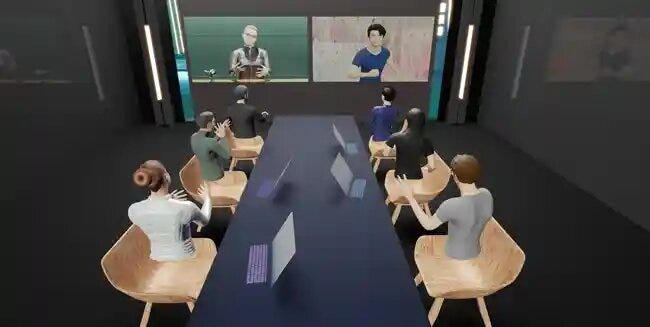
Virtual offices allow teams from different countries to collaborate in immersive digital spaces.
This requires professionals such as:
VR environment designers
spatial UI developers
virtual event managers
4. Healthcare Innovation
VR is revolutionizing healthcare through:
surgical training
mental health therapy
pain management
rehabilitation programs
These applications require specialized VR engineers and healthcare technologists.
Global Virtual Reality Market Growth
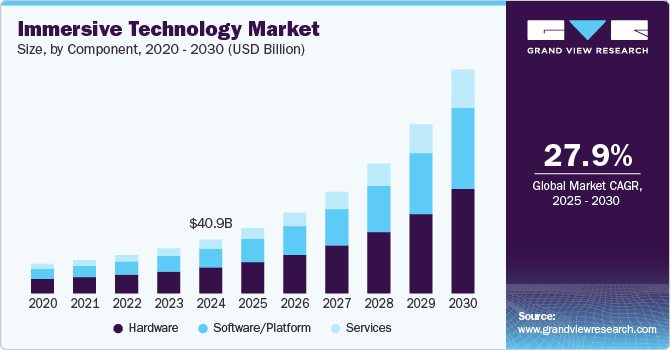
4.The growth of VR technology directly impacts job creation. Virtual Reality Market Statistics
Year Global VR Market Size
Expected Growth
2020 $15 Billion
Early adoption phase
2022 $27 Billion
Corporate training demand rising
2024 $44 Billion
Expansion in healthcare and education
2027 $85 Billion
Metaverse development growth
2030 $150+ Billion
Mainstream enterprise adoption Source: Industry analysis compiled through global market reports and technology sector studies. GetYourWays Research on emerging technology employment trends indicates that this growth will create high demand for VR professionals worldwide.
Industries Creating Virtual Reality Jobs Virtual Reality is transforming multiple industries. Below are the sectors generating the highest number of VR-related job opportunities.
1. Gaming Industry
Gaming was the first industry to adopt VR technology. VR games offer immersive experiences where players interact physically with the environment.
Jobs in VR Gaming
VR Game Developer
3D Environment Designer
Gameplay Programmer
VR Animator
Character Designer
Gaming studios constantly hire professionals with Unity and Unreal Engine expertise.
2. Healthcare
Healthcare organizations are using VR to improve trainingand patient care.
VR Applications in Healthcare
surgical training simulations
therapy for PTSD and anxiety
rehabilitation exercises
pain distraction therapy
VR Healthcare Jobs
Medical Simulation Designer
Healthcare VR Engineer
Therapy Program Developer
VR Research Specialist
According to GetYourWays Research on healthcare technology innovation, immersive medical training can improve learning retention by over 70% compared to traditional methods.
3. Education
Educational institutions are adopting VR to create immersive learning environments.
Students can explore:
historical events
space missions
virtual laboratories
architectural designs
VR Education Jobs
VR Curriculum Developer
Educational Experience Designer
Learning Simulation Specialist
EdTech VR Developer
4. Real Estate
Virtual Reality allows buyers to visit properties remotely.
Real estate companies now offer:
3D home walkthroughs
virtual property tours
architectural visualization
VR Jobs in Real Estate
3D Visualization Artist
Architectural VR Designer
Real Estate Simulation Developer
5. Manufacturing
Factories use VR simulations to train workers safely before they interact with real machines.
Manufacturing VR Roles
Industrial VR Trainer
Safety Simulation Developer
Production Process Designer
This reduces workplace accidents and improves productivity.
Top High-Paying Virtual Reality Careers Here are some of the most promising VR careers expected to grow in the coming decade.Job Role Average Global Salary Range
Key Skills
VR Developer $80,000 – $140,000
C#, Unity, Unreal Engine
VR Game Designer $70,000 – $120,000
Game mechanics, storytelling 3D Artist $60,000 – $110,000
Blender, Maya XR Researcher $90,000 – $150,000
AI, computer vision VR UX Designer $75,000 – $130,000
spatial interface design Simulation Engineer $85,000 – $145,000
physics simulation These salaries vary depending on experience,location, and industry demand.
Skills Required for Virtual Reality Jobs To build a career in VR, individuals need a combination of technical and creative skills.
Technical Skills
3D modeling
C# programming
C++ programming
Unity game engine
Unreal Engine
computer graphics
spatial computing
Creative Skills
storytelling
interaction design
digital art animation
user experience design
Additional Valuable Skills
Artificial Intelligence
Computer Vision
Motion Tracking
Physics Simulation
Cloud Computing
Professionals who combine software development and creative design often find the best opportunities in the VR industry.
Education Paths for Virtual Reality Careers
Students interested in VR careers can pursue degrees in:
Computer Science
Game Design Animation
Multimedia Design
Artificial Intelligence
Human Computer Interaction
Many universities now offer specialized immersive technology programs. Online platforms also provide VR development courses using tools like Unity and Unreal Engine.
Future Job Roles That May Emerge As VR technology evolves, entirely new job roles will appear.
Possible Future VR Careers
Metaverse Architect
Virtual World Urban Planner
Digital Avatar Designer
VR Experience Curator
Immersive Event Producer
Virtual Tourism Guide
These roles will combine technology, creativity, and storytelling.
Benefits of Virtual Reality in the Workplace Virtual Reality offers several advantages for companies.
Key Benefits
safer training environments
reduced operational costs
better employee engagement
faster skill development
improved remote collaboration
Companies adopting immersive technologies are likely to gain competitive advantages in the digital economy.
Challenges in the VR Job Market Despite rapid growth, the VR industry still faces challenges.
Key Challenges
high development costs
hardware limitations
motion sickness issues
lack of skilled professionals
However, these challenges are also opportunities for innovation and job creation.
How Students and Job Seekers Can Prepare
If you want to enter the VR industry, here are practical steps.
Step 1: Learn Programming
Start with:
C#
Python
C++
Step 2: Learn Game Engines
Focus on:
Unity
Unreal Engine
These tools are widely used for VR development.
Step 3: Build Projects
Create projects such as:
VR environments
simulation apps
mini VR games
Practical experience is highly valued by employers.
Step 4: Stay Updated With Technology
Follow trends such as:
Metaverse platforms
Spatial computing
Mixed reality devices
Technology evolves quickly, so continuous learning is essential.
Future Outlook of Virtual Reality Jobs According to GetYourWays Research on global technology workforce trends, immersive technologies like VR, AR, and mixed reality could create millions of new jobs worldwide by 2035. Industries will increasingly depend on virtual simulations, digital environments, and immersive communication tools. As hardware becomes more affordable and powerful, VR adoption will accelerate. This means that the demand for professionals skilled in VR development, design, and experience creation will continue to grow.
Virtual Reality is transforming the way people learn, work,and interact with technology.From gaming and healthcare to education and manufacturing, immersive technology is creating exciting career opportunities for the future workforce.Students and professionals who start learning VR skills today will be better positioned to take advantage of this rapidly growing industry. The rise of virtual worlds, digital collaboration, and immersive experiences means that Virtual Reality jobs will become a major part of the global job market in the coming decades.
Call to Action If you want to explore future-ready careers and technology-driven job opportunities, start building your professional profile today.Create your profile on GetYourWays to discover verified job opportunities, connect with recruiters, and stay updated with emerging career trends.Your future career in technology could begin with the right opportunity.